How to Import Hoya from Indonesia to the USA, Canada & Europe
By Panji Munawir ·
Indonesia is one of the best places in the world to source rare Hoyas — but if you have never imported live plants before, the paperwork can feel intimidating. This guide explains, step by step, how importing Hoyas from Indonesia works for buyers in the USA, Canada, the European Union and the UK.
Plant import rules change from time to time and can depend on the quantity and species. Use this guide as an overview and check your country's official plant-health authority for the current requirements — or contact us and we'll help.
Step 1: Choose your plants and order
Pick your plants and check out — you can order as a guest or with an account. With us, shipping is a flat fee per order, so combining several plants in one shipment keeps the cost per plant low. See how to order.
Step 2: Phytosanitary inspection and certificate
Before export, plants are inspected by Indonesian plant-quarantine officials. If they pass, an official phytosanitary certificate is issued that travels with your parcel. This certificate is the key document for almost every importing country.
Step 3: Bare-root preparation
Most countries do not allow soil on imported plants. Plants are therefore washed bare-root, the roots are wrapped in clean, moisture-retaining media, and each plant is labelled with its name. This is normal — Hoyas tolerate bare-root travel well when packed correctly.
Step 4: Express shipping and customs
Parcels travel by express courier, typically 3–7 business days in transit after preparation. Customs and plant-health officials in your country may inspect the parcel on arrival.
Country-by-country overview
United States
- A phytosanitary certificate is required.
- Plants must be free of soil.
- Depending on the plant type and quantity, a USDA APHIS PPQ 587 permit (Plants for Planting) may be required. Many hobbyists apply for one online.
- If you have a permit, include the number in your order notes. More detail: importing rare plants to the USA.
Canada
- A phytosanitary certificate is required, and plants must be free of soil.
- Requirements depend on the plant and origin; check the CFIA Automated Import Reference System (AIRS). Some imports need a CFIA import permit.
European Union
- Under EU plant-health rules, plants for planting from outside the EU must travel with a phytosanitary certificate.
- Import VAT applies to imported goods and is usually collected by the courier on delivery, together with any handling fee.
United Kingdom
- A phytosanitary certificate is required for plants for planting.
- UK importers may need to pre-notify regulated plant imports through the government's import system — ask your courier or check the UK government's plant-import guidance.
- Import VAT and courier fees may apply.
Duties, taxes and fees
Import duties, VAT/GST and courier brokerage fees are set by your country and are paid by the buyer on delivery. They are not included in product prices or shipping.
Step 5: Unboxing and settling in
Open the parcel as soon as it arrives, check each plant, and pot them up in a slightly moist, airy mix. Keep them in bright shade with high humidity while new roots form. Our unboxing guide for bare-root Hoyas walks you through it.
Why buy directly from Indonesia?
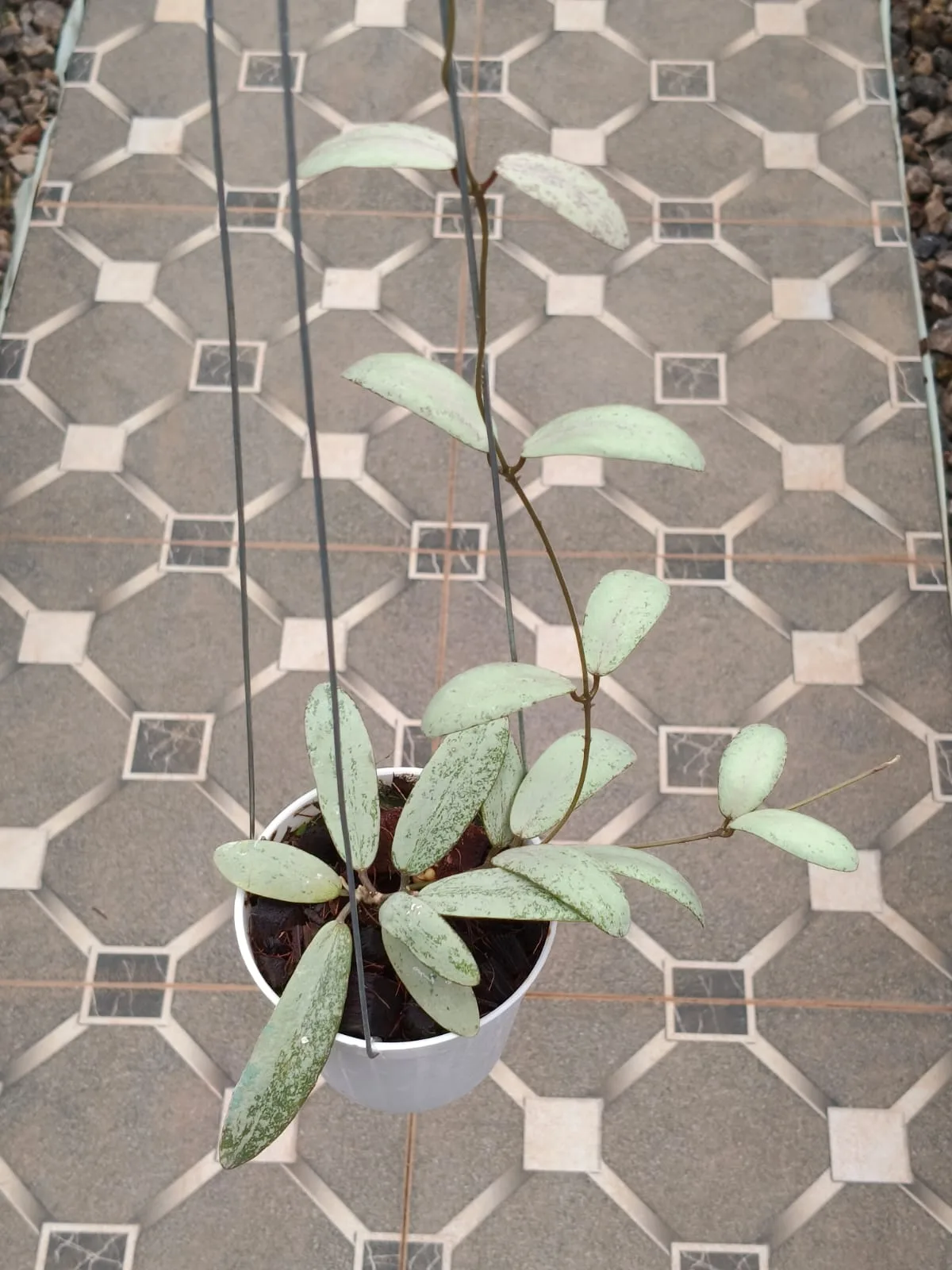
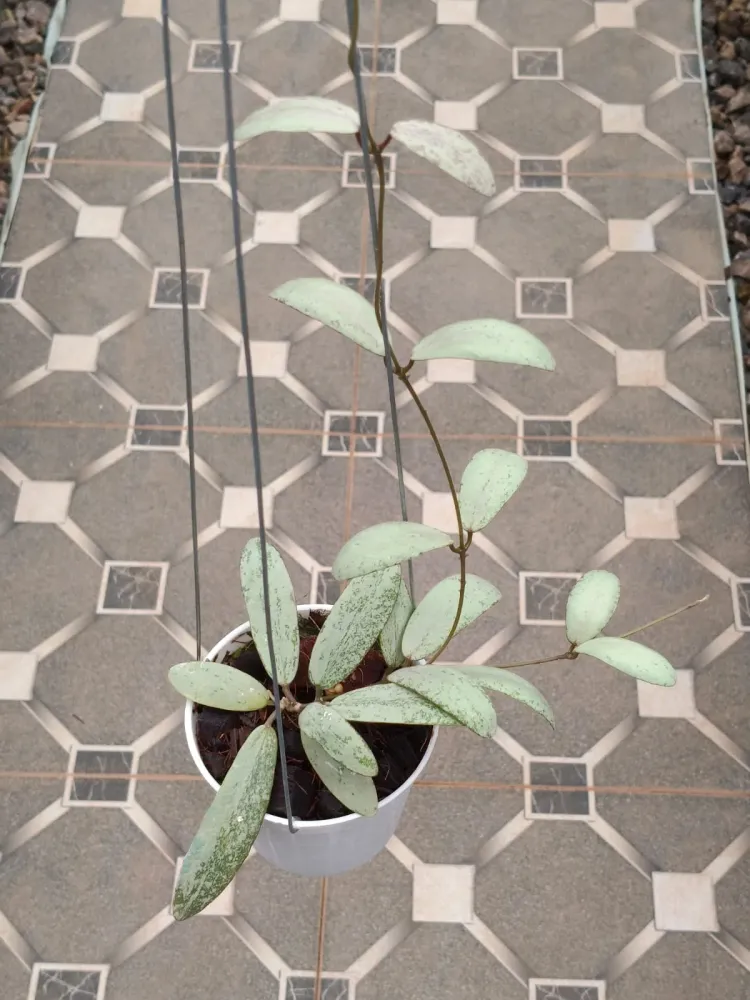
- Selection: many rare forms — splash, silver, variegated and local selections — start in Indonesian collections.
- Freshness: plants come straight from the grower.
- Value: with a flat shipping fee, several plants in one order are often better value than buying them one by one locally.
Ready to start? Browse our rare Hoya collection or ask us anything on the contact page.